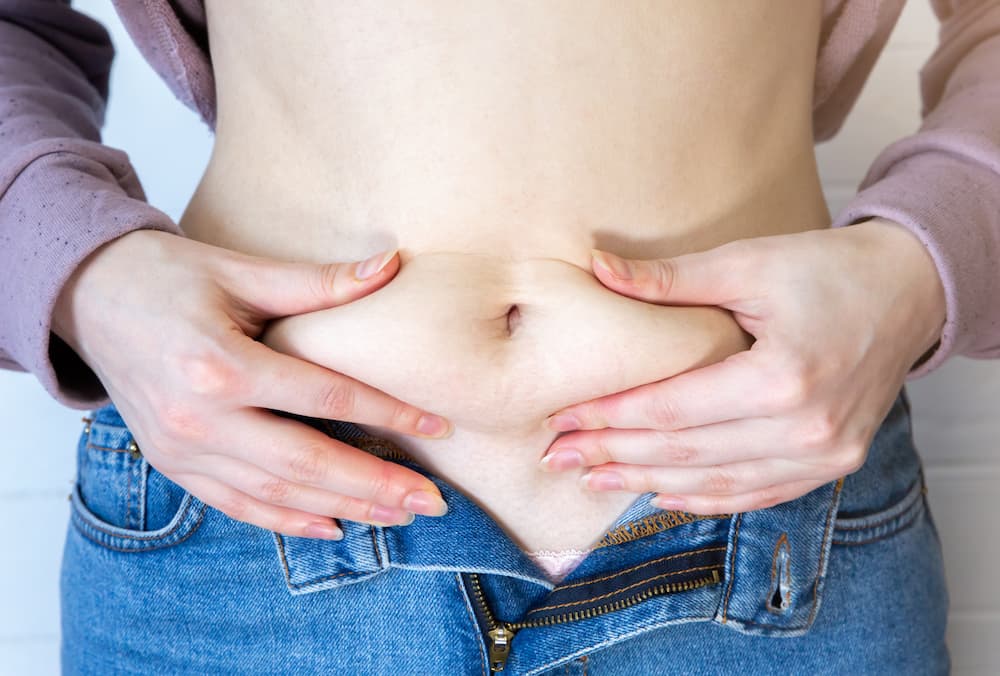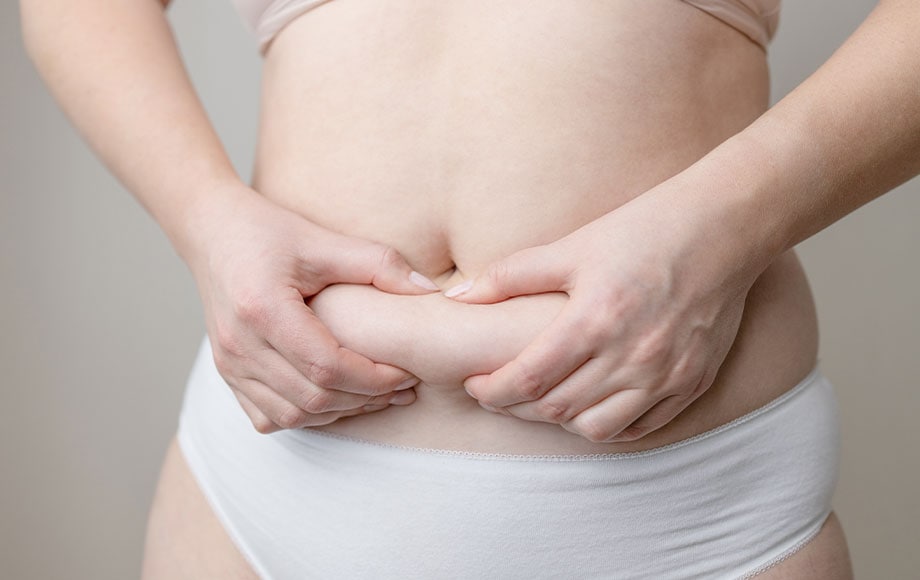
Liposuction is one of the most effective ways to contour and refine the body, but like any surgical procedure, it can leave behind small marks as the body heals. The good news is that liposuction scars are typically minimal and can be significantly improved with the right care. Understanding how to properly manage liposuction scars can help ensure smoother healing and more refined, natural-looking results.
At Buckhead Plastic Surgery in Atlanta, patients receive expert guidance not only during their procedure but throughout recovery. With the right approach, liposuction scars can fade beautifully over time—often becoming barely noticeable.
What You’ll Learn
Today we’ll be exploring liposuction scar aftercare, so you can better understand how the recovery works including these key takeaways:
- Liposuction scars are typically small and can fade significantly with proper care
- Early incision care is essential for minimizing long-term scarring
- Moisturizing and sun protection help improve healing and reduce visibility
- Advanced treatments like laser therapy and microneedling can enhance results
Understanding Liposuction Scarring
Liposuction scars are usually small because the procedure is performed using tiny incisions to insert a thin tube (cannula). These incisions are strategically placed in discreet areas whenever possible.
While liposuction scars are typically subtle, several factors can influence how they heal:
- Skin type and genetics
- Size and location of the incision
- How well post-procedure care instructions are followed
- Overall health and lifestyle
Most liposuction scars will gradually fade over time, but proactive care can help improve their appearance and speed up the healing process.
Tip #1: Care for Incisions Early to Minimize Liposuction Scars
The way you care for your incisions in the early stages of healing plays a major role in how noticeable liposuction scars will be long term.
Key aftercare practices include:
- Keep the area clean and dry to prevent infection
- Follow your surgeon’s instructions closely for wound care
- Avoid unnecessary friction or pressure on healing areas
- Wear compression garments as recommended to support healing
Proper care during the first few weeks helps reduce inflammation and allows the skin to heal more evenly. At Buckhead Plastic Surgery, patients are given detailed aftercare instructions to support optimal healing and minimize liposuction scars from the start.
Tip #2: Keep the Area Moisturized and Protected
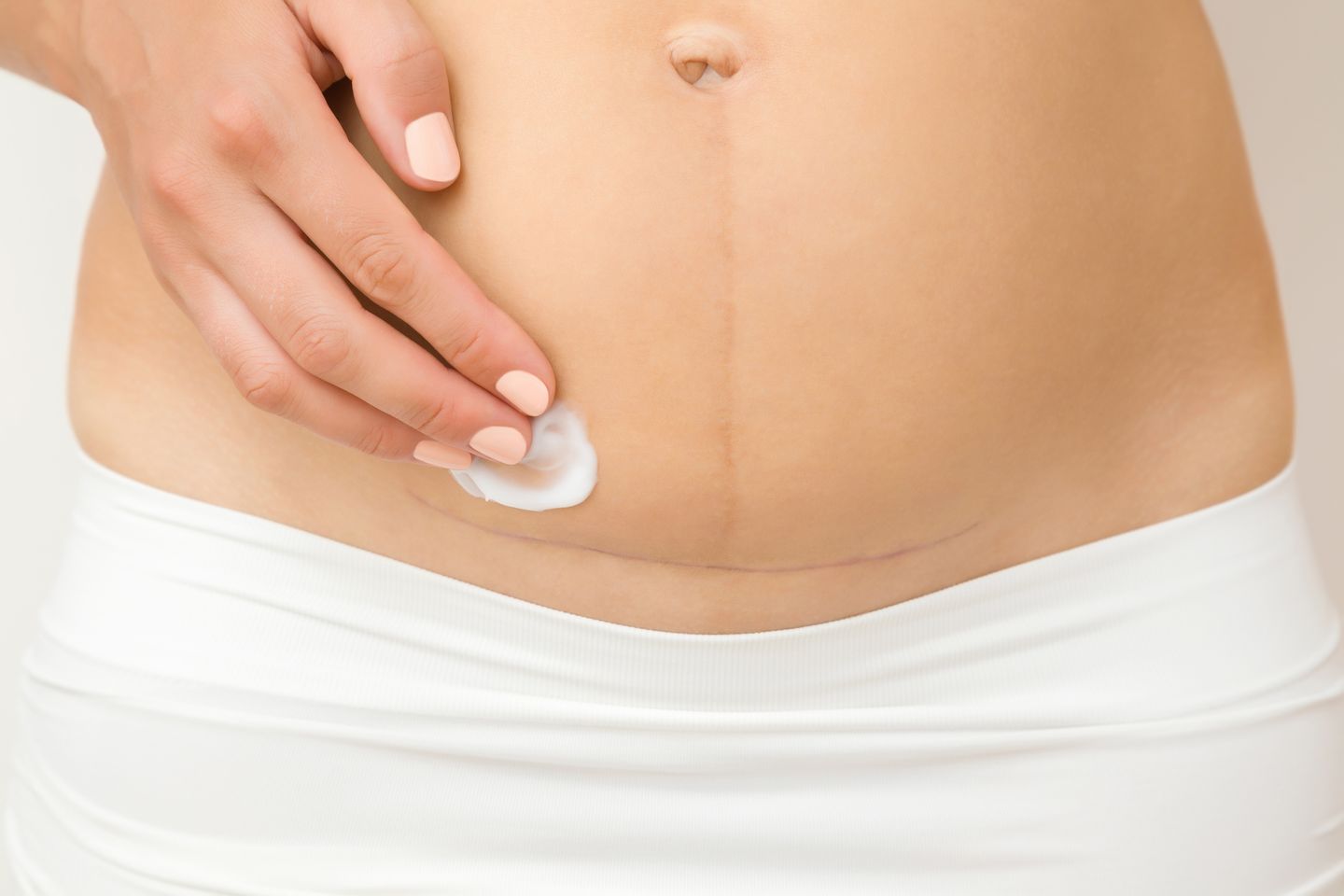
Hydration and protection are essential when it comes to improving the appearance of liposuction scars. This is because keeping your skin moisturized helps maintain elasticity and supports healthy tissue repair. Dry or irritated skin can make scars appear more noticeable.
Helpful strategies include:
- Using medical-grade moisturizers or healing ointments
- Applying silicone gel or silicone sheets, which are widely recommended for scar management
- Avoiding harsh products that may irritate the skin
Sun protection is also critical because exposure to the sun can darken scars and make them more visible. Applying broad-spectrum SPF to treated areas (once healed) helps protect the skin and supports better long-term results.
By maintaining hydration and protecting the skin, patients can significantly improve how liposuction scars heal and fade.
Tip #3: Consider Advanced Treatments for Scar Fading
While many liposuction scars improve naturally over time, advanced treatments can further enhance their appearance—especially for patients seeking the smoothest, most refined results. Today, a range of non-surgical options can help accelerate healing and improve overall skin quality, including microneedling, red light therapy and laser treatments.
These treatments work in different ways but share a common goal of improving how scars look and feel by:
- Stimulating collagen production
- Smoothing skin texture
- Reducing discoloration
Red Light Therapy
Red light therapy uses specific wavelengths of light to penetrate the skin and stimulate cellular repair, helping boost collagen production and improve circulation. This process supports smoother healing and can gradually reduce the appearance of scars by encouraging healthier, more even skin regeneration.
Microneedling
Microneedling creates controlled micro-injuries in the skin, stimulating collagen and elastin production to support natural healing. Over time, this helps remodel scar tissue, soften the appearance of liposuction scars and improve overall skin texture so the area blends more seamlessly.
Topical Treatments
Prescription-strength creams or medical-grade products can help improve pigmentation and texture over time. These options can be tailored to your specific needs, depending on how your liposuction scars are healing.
When to Seek Professional Scar Revision
While most liposuction scars heal well with proper care, there are times when professional evaluation is beneficial.
You may want to consult your provider if:
- Scars appear raised, thick, or unusually dark
- Healing seems delayed or uneven
- You want to explore advanced cosmetic improvements
At Buckhead Plastic Surgery in Atlanta, patients have access to a full range of scar management solutions designed to refine results and boost confidence.
Caring for Incisions & Reducing Scarring Long-Term
Long-term care is just as important as early healing when it comes to minimizing liposuction scars.
Ongoing care tips:
- Continue using silicone-based products as recommended
- Maintain a consistent skincare routine
- Stay hydrated and support overall skin health
- Avoid smoking, which can impair healing
Over time, most liposuction scars will soften, flatten and fade. With consistent care and the right treatments, they often become barely noticeable.
FAQs
Do liposuction scars fade on their own?
Yes, most liposuction scars fade naturally over time. However, proper aftercare and treatments can significantly improve how quickly and effectively they fade.
What products help reduce liposuction scars?
Silicone gels and sheets are among the most effective options. Medical-grade moisturizers and prescription creams may also help improve texture and tone.
Can laser treatments remove liposuction scars?
Laser treatments can greatly reduce the appearance of liposuction scars by improving skin texture and pigmentation, though complete removal is not always possible.
How long does it take for scars to fade after lipo?
Most liposuction scars begin to fade within a few months, but full improvement can take up to a year or longer depending on individual healing.
When should I see a specialist for scar treatment?
If your scars appear raised, dark, or are not improving over time, it’s a good idea to consult your provider for additional treatment options.
Why Choose Buckhead Plastic Surgery for Liposuction
At Buckhead Plastic Surgery in Atlanta, liposuction is performed with precision, artistry and care to create natural-looking, beautifully contoured results. Led by board-certified plastic surgeon Dr. Alan N. Larsen, our team utilizes advanced techniques and a personalized approach to help each patient refine their shape and achieve a more sculpted, confident appearance.
From your private consultation to your final results, every step is handled with exceptional attention and support in our state-of-the-art facility designed for your safety, comfort and discretion. Patients choose Buckhead Plastic Surgery not only for Dr. Larsen’s expertise and experience, but also for the compassionate environment where your goals and long-term satisfaction always come first. Schedule your consultation today and discover how liposuction can help you look and feel your best.