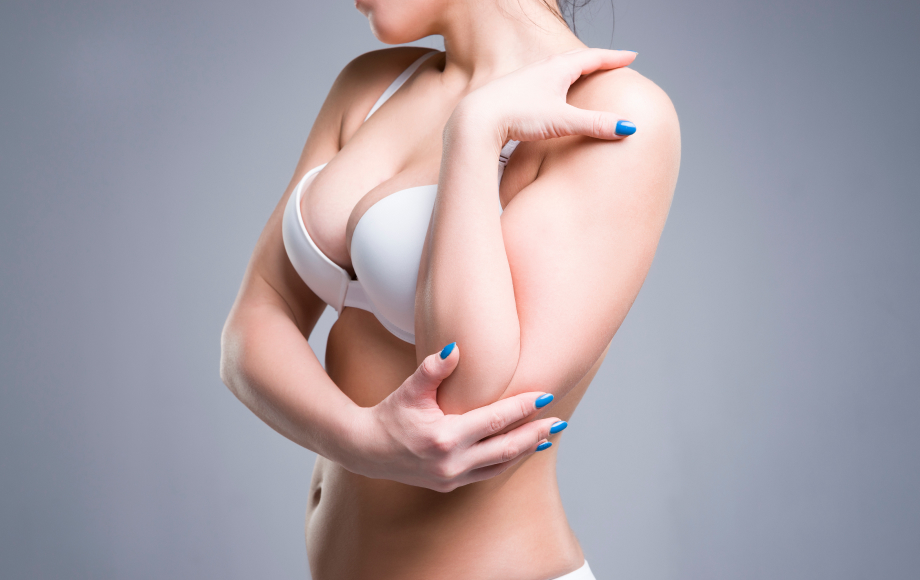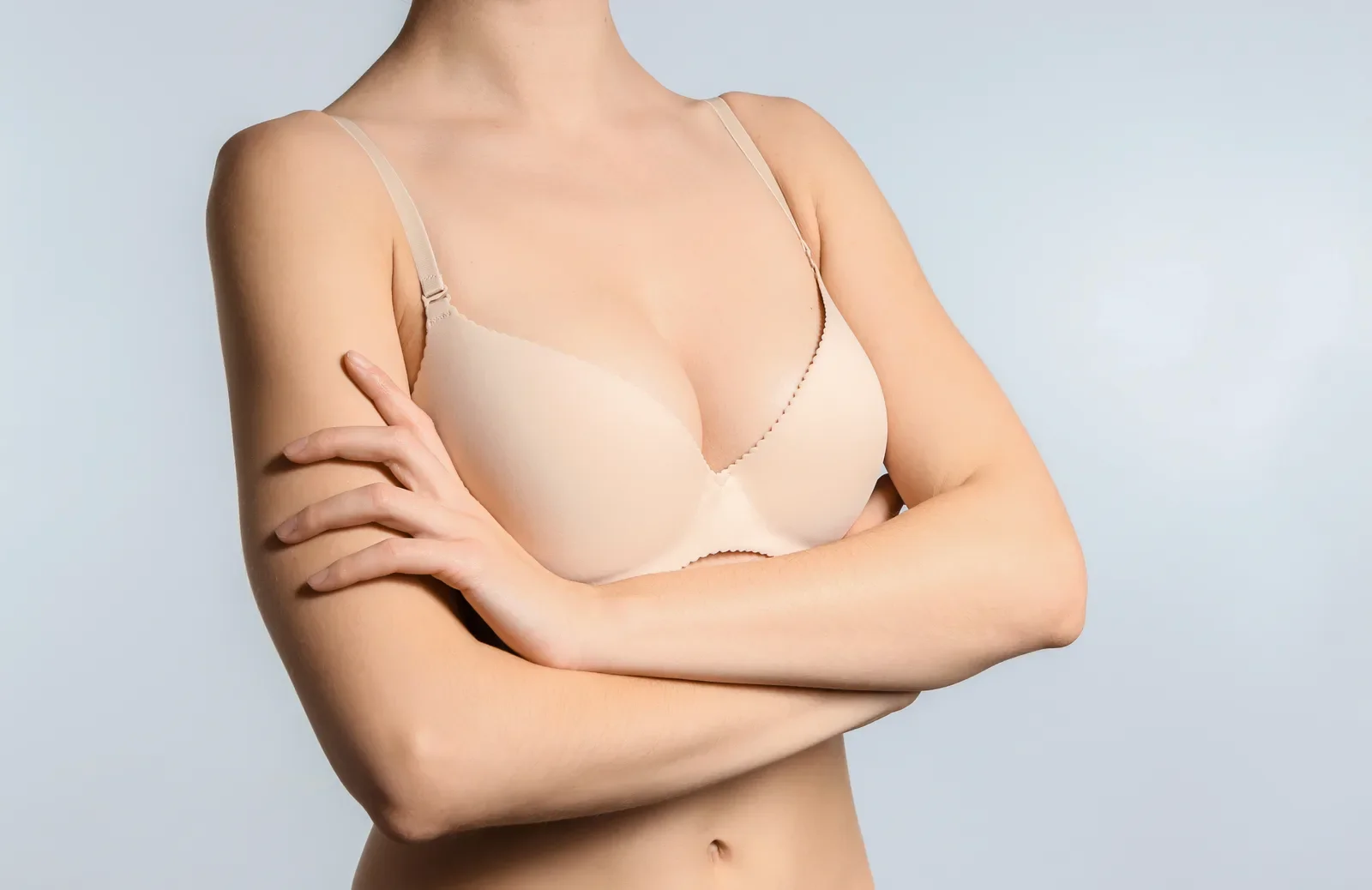
Breast augmentation scars are a normal part of healing after breast implant surgery, but they do not have to remain highly noticeable. Their final appearance depends on incision placement, surgical technique, genetics, skin tone and how carefully the area is protected during recovery. Although no surgeon or product can guarantee a scar-free result, thoughtful planning and consistent breast augmentation scar care can help incision lines become flatter, softer and less visible over time.
At Buckhead Plastic Surgery, double board-certified Atlanta plastic surgeon Dr. Alan N. Larsen creates a customized breast augmentation plan based on each patient’s anatomy and cosmetic goals. For women considering breast augmentation in Atlanta, the following three strategies can support smoother healing and help minimize breast implant scars.
Key Takeaways
-
Some scarring is unavoidable with breast augmentation, but incision placement, surgical technique and aftercare all influence how visible it becomes.
-
Incision options include the crease beneath the breast, the edge of the areola, and the armpit. Dr. Larsen recommends the approach that fits your anatomy and goals.
-
Silicone gel or sheets and consistent sun protection can help, but only once Dr. Larsen confirms your incisions have fully closed.
-
Most scars flatten and fade over 6-12 months, and some continue improving beyond that.
Step #1 – Begin With a Customized Surgical Plan
Minimizing breast augmentation scars begins well before your surgery. Incision placement is highly personalized, and Dr. Larsen will recommend the approach that best fits your anatomy, implant type, desired size and existing breast tissue. Your incision may be placed in the natural crease beneath the breast, around the edge of the areola or within the armpit. The implant may also be positioned behind the breast tissue or beneath the chest muscle, depending on your surgical plan.
Each incision option offers different advantages. An incision beneath the breast can often be concealed within the natural fold, while an incision around the areola may blend with the change in skin color. An armpit incision keeps the scar off the breast itself. During your consultation, Dr. Larsen will explain these options and help you understand which approach is most likely to support your goals while keeping scars as discreet as possible.
As a board-certified plastic surgeon with extensive surgical training, Dr. Larsen takes a careful, individualized approach to incision placement and closure. Be sure to tell us if you have a history of thick, raised or keloid scars, since your genetics and previous healing patterns may influence your scar care plan and follow-up recommendations.
Step #2 – Protect Your Incisions During Recovery
Even a carefully placed incision needs time to heal, and your recovery habits can affect how noticeable your breast augmentation scars become. Following Dr. Larsen’s postoperative instructions closely helps protect the incisions, reduce unnecessary tension and support healthy healing.
What to Do to Help Reduce Scarring
-
Wear your recommended surgical or support bra as directed.
-
Keep your incisions and dressings clean and properly protected.
-
Stay hydrated and eat a balanced, protein-rich diet to support tissue repair.
-
Avoid nicotine, which can interfere with circulation and wound healing.
-
Attend your follow-up appointments so Dr. Larsen can monitor your progress.
-
Wait until your incisions are fully closed and our team approves scar creams, silicone products or massage.
-
Protect healed scars from sun exposure to help prevent darkening.
What Not to Do During Recovery
-
Do not return to strenuous exercise, lifting or upper-body workouts too soon.
-
Avoid excessive reaching, pulling or sudden movements that may place tension on the incisions.
-
Do not swim or soak in a bath, pool or hot tub until Dr. Larsen clears you.
-
Avoid applying oils, creams or home remedies to fresh incisions.
-
Do not pick at scabs, surgical glue or healing skin.
-
Do not ignore increasing redness, warmth, drainage, pain or an opening in the incision.
Many patients can return to non-strenuous work within approximately 3-5 days, although your recovery timeline will depend on your job, healing process and implant placement. Breast augmentation scars may initially appear pink, red, firm or slightly raised before gradually softening and fading over 6-12 months.
Step #3 – Use Silicone & Sun Protection When Cleared
Once the incision has completely closed and Dr. Larsen approves topical care, silicone gel or silicone sheets may help improve the appearance of breast augmentation scars. Silicone creates a protective, hydrated environment over the healing tissue. The American Society of Plastic Surgeons notes that silicone has been used for decades for surgical scars and that consistent use over weeks or months may be recommended.
Once your incisions have fully closed, Dr. Larsen may recommend silicone products, gentle scar massage and sun protection to help breast augmentation scars fade as smoothly as possible. Follow his instructions carefully, since beginning scar treatments too early or using several products at once may irritate healing skin.
What to Do to Support Scar Healing
-
When cleared, use silicone gel, silicone sheets or other recommended products for the frequency and length of time directed by Dr. Larsen.
-
Begin scar massage only after your incisions have healed and you have received approval from our team.
-
Follow instructions about how often to massage the area and how much pressure to apply.
-
Keep healing scars covered and protected from direct sunlight whenever possible.
-
Apply a broad-spectrum sunscreen with at least SPF 30 after the skin has fully healed and Dr. Larsen approves its use.
-
Continue sun protection even when wearing a swimsuit or lightweight clothing, since ultraviolet rays may pass through some fabrics.
What Not to Do
-
Do not begin scar massage while the incision is still open, scabbed or irritated.
-
Avoid applying silicone products, creams or oils before receiving clearance from Dr. Larsen.
-
Do not combine several scar treatments unless our team recommends doing so.
-
Avoid pressing or massaging the scar more firmly than instructed.
-
Do not expose new scar tissue to tanning beds or prolonged direct sunlight.
-
Avoid assuming clothing alone provides complete UV protection.
If a scar remains unusually raised, dark, itchy or uncomfortable, schedule a follow-up instead of attempting aggressive at-home treatment. Depending on the scar and its stage of healing, professional options may include prescription therapies, injections or laser treatment. These treatments are not necessary for every patient and should be selected after an in-person evaluation.
How Long Do Breast Augmentation Scars Take to Fade?
Patients frequently want to know when their breast augmentation scars will become less visible. Early incision lines may look redder, darker or more prominent than expected. This does not necessarily mean they are healing poorly. New blood vessels and collagen production are active during the first several months, and the scar can temporarily look more noticeable before it begins to flatten.
Most surgical scars continue maturing for 6-12 months, and some may improve beyond that point. Skin type, age, genetics, incision tension, sun exposure and adherence to postoperative instructions can all influence the timeline. Instead of judging the final result during the first few weeks, give your body time and attend scheduled follow-up appointments so Dr. Larsen can monitor your progress.
FAQs
How long do breast augmentation scars take to fade?
Breast augmentation scars often look pink, red or slightly raised at first. Most gradually flatten and fade over 6-12 months, although every patient heals at a different rate.
What is the best treatment for breast implant scars?
Silicone gel or silicone sheets may help improve scar texture and appearance once the incisions have fully closed. Patients should wait for Dr. Larsen’s approval before beginning any scar treatment or massage.
Can breast augmentation scars be completely avoided?
All breast augmentation procedures require an incision, so some scarring is unavoidable. However, careful incision placement, proper postoperative care and consistent sun protection can help scars become less noticeable over time.
Personalized Breast Augmentation Care in Atlanta
Reducing breast augmentation scars is a shared process. Your surgeon contributes careful planning, incision placement and surgical technique, while you support the outcome by protecting the incision and following a consistent, surgeon-approved scar routine. Every person heals differently, and scars cannot be erased completely. In many cases, however, breast implant scars flatten and fade significantly as the tissue matures.
Dr. Alan N. Larsen offers personalized breast augmentation in Atlanta for patients seeking fuller breasts, improved symmetry or restored volume. At Buckhead Plastic Surgery, we’ll help you better understand your breast augmentation options including implant options, incision options, implant placement and realistic expectations for recovery and scarring.
Connect with Buckhead Plastic Surgery to schedule a consultation with Dr. Larsen and begin your journey today.