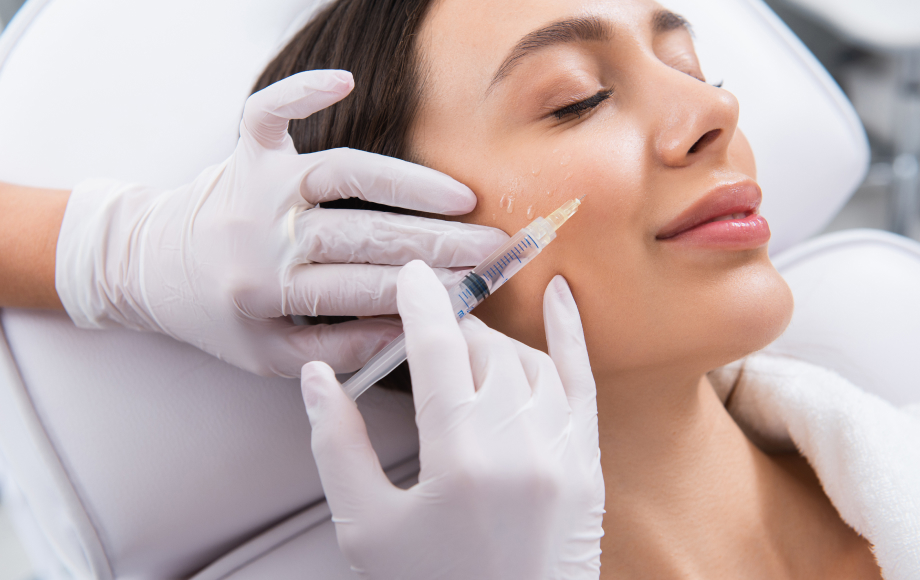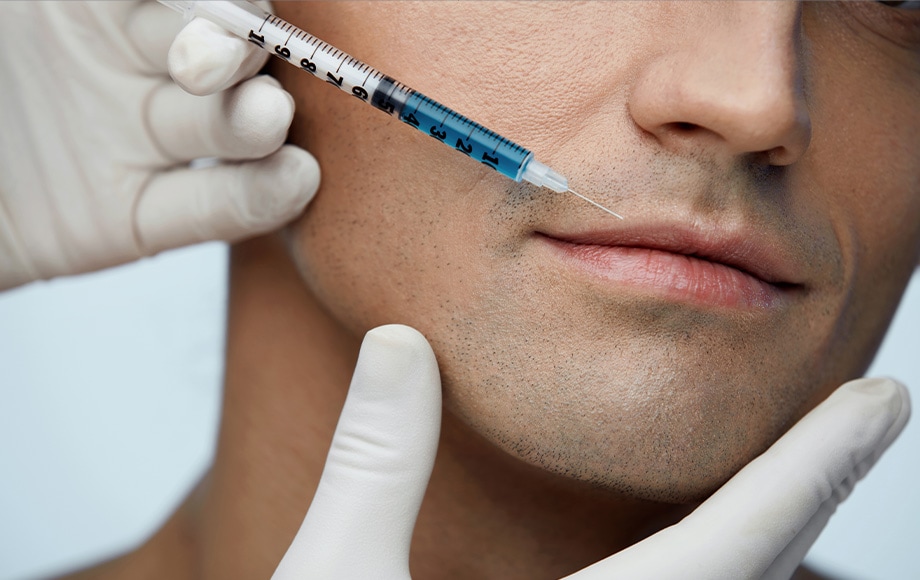
If you are comparing Restylane vs Sculptra, you are likely looking for a refreshed, more youthful appearance without surgery. Both treatments can help restore volume, soften facial lines and enhance facial balance, but they work in very different ways. At Buckhead Plastic Surgery/LUX Med Spa in Atlanta, the focus is always on natural-looking results that complement your features, your age and your long-term aesthetic goals. For many patients, Sculptra is especially appealing because it gradually encourages the skin to rebuild its own collagen, creating results that look subtle, elegant and long-lasting.
While Restylane remains a trusted hyaluronic acid filler for targeted volume and contouring, Sculptra offers a more regenerative approach. Understanding the difference between these two options can help you feel more confident when choosing the treatment that best fits your needs.
What You’ll Learn
In today’s helpful guide, you’ll learn about both fillers, as well as these key takeaways:
-
Restylane is a hyaluronic acid filler that provides more immediate volume and targeted correction.
-
Sculptra is a collagen-stimulating injectable that gradually improves facial volume and skin support.
-
Sculptra is often preferred for natural-looking, long-term rejuvenation.
-
Restylane may be useful for lips, fine contouring and select areas needing quick enhancement.
Intro to Restylane & Sculptra
Restylane and Sculptra are both injectable treatments used to improve facial volume and reduce visible signs of aging. However, they are not interchangeable. Restylane is a hyaluronic acid filler, which means it adds immediate volume beneath the skin. Hyaluronic acid is a substance naturally found in the body that helps keep the skin hydrated and plump.
Sculptra, on the other hand, is a biostimulatory injectable made with poly-L-lactic acid. Rather than simply filling an area right away, Sculptra works by stimulating collagen production over time. Collagen is the structural protein that keeps the skin firm, smooth and resilient. As collagen naturally declines with age, the face can begin to look thinner, flatter or more hollow. Sculptra helps address that process from within.
When comparing Restylane vs Sculptra, the biggest distinction is instant correction versus gradual rejuvenation. Restylane can be a good choice for patients who want quick enhancement in specific areas, while Sculptra is often ideal for patients who want progressive, natural-looking facial restoration.
How Restylane Works
Restylane works by placing hyaluronic acid gel beneath the skin to add volume, smooth lines or enhance contours. Depending on the specific Restylane product used, it may be placed in areas like the lips, cheeks, nasolabial folds, marionette lines or under-eye hollows.
One of the main advantages of Restylane is that results are visible almost immediately. After treatment, patients may notice fuller lips, softer lines or improved facial symmetry right away. Some swelling is common at first, so final results usually settle over several days to two weeks.
Because Restylane is a hyaluronic acid filler, it is also temporary. The body gradually breaks down the product over time. Longevity varies depending on the treatment area, the specific product used and the patient’s metabolism, but many Restylane results last several months to over a year.
At BPS/LUX, Restylane may be considered for patients who need precise, focused correction. However, for those looking for broader facial rejuvenation and collagen support, Sculptra may offer a more comprehensive path.
How Sculptra Works
Sculptra works differently from traditional filler. Instead of adding volume only through product placement, it activates the body’s natural collagen-building process. After Sculptra is injected, the poly-L-lactic acid particles help stimulate collagen production in the treated areas. Over the following weeks and months, the skin gradually becomes firmer, smoother and more supported.
This makes Sculptra an excellent option for patients who are noticing age-related volume loss, facial thinning, softening along the jawline or a tired appearance that does not improve with skincare alone. Rather than creating a sudden or overly filled look, Sculptra builds results gradually. Friends and family may notice that you look refreshed, but not necessarily know why.
Another benefit of Sculptra is its longevity. Because it stimulates collagen, results can last up to two years or longer for many patients. Most people need a series of treatments to achieve their best outcome, followed by maintenance sessions as recommended by their provider.
For patients at BPS/LUX who want subtle, sophisticated rejuvenation, Sculptra is often a standout choice.
Key Differences Between Restylane & Sculptra
When considering Restylane vs Sculptra, it helps to think about your goals, timeline and desired style of result.
-
Restylane provides immediate volume.
-
It is commonly used to enhance a specific feature, like the lips or cheeks or soften a defined crease.
-
The results are more instant, making it ideal when a small area needs correction.
-
Sculptra is more gradual.
-
It does not create the same immediate filling effect as Restylane.
-
Restylane helps improve the face by encouraging collagen production.
Restylane is often best for targeted enhancement. Sculptra is often best for long-term rejuvenation. Restylane can be a beautiful option for select areas, but Sculptra may be better suited for patients who want a refreshed appearance that develops naturally and lasts longer.
The feel and philosophy of each treatment are also different:
-
Restylane is a filler
-
Sculptra is a collagen stimulator
-
Both can be valuable, but Sculptra offers a more regenerative approach
Benefits of Restylane
Although BPS/LUX may lean more toward Sculptra for many facial rejuvenation plans, Restylane does have important benefits. It can provide immediate improvement, which is one of the reasons patients continue to ask about it. For lips, fine contouring and certain folds or hollow areas, Restylane may be appropriate.
Restylane can also be a good option for patients who are new to injectables and want to see a visible change quickly. Because hyaluronic acid fillers are temporary, patients may feel comfortable trying a conservative treatment before committing to a longer-term strategy.
Another benefit is precision. Restylane can be placed carefully in small amounts to refine facial balance. When performed by an experienced injector, the goal is not to overfill the face, but to restore harmony and softness.
Benefits of Sculptra
Sculptra offers a different kind of beauty benefit. Rather than focusing only on filling lines or shaping one feature, Sculptra supports the skin’s underlying structure. It can improve facial volume, skin firmness and overall facial vitality over time.
This is especially appealing for patients who feel their face looks thinner, flatter or more tired than it used to. Sculptra can help restore youthful softness without making the face look puffy or overdone. Because results appear gradually, the transformation is often discreet and natural.
Sculptra is also a strong choice for patients who value longevity. While maintenance is still needed, results can last significantly longer than many traditional fillers. For many BPS/LUX patients, this makes Sculptra a worthwhile investment in long-term facial rejuvenation.
FAQs
What are the main differences between Restylane vs Sculptra?
Restylane is a hyaluronic acid filler that adds volume right away, while Sculptra stimulates collagen for gradual, longer-term improvement. Restylane is best for targeted enhancement, while Sculptra is often preferred for natural-looking facial rejuvenation.
How do Restylane and Sculptra work to improve facial volume and appearance?
Restylane places hyaluronic acid gel beneath the skin to smooth lines, enhance contours, and add fullness quickly. Sculptra works by encouraging collagen production, helping restore firmness and structure over time.
What are the benefits of choosing Restylane over Sculptra and vice versa?
Restylane may be a good choice for immediate results, lip enhancement, or precise correction. Sculptra is ideal for gradual improvement, collagen support, and longer-lasting rejuvenation. At BPS/LUX, Sculptra is often favored for subtle, natural-looking results.
Who is an ideal candidate for these specific dermal fillers?
Restylane may be ideal for patients wanting quick improvement in a specific area, such as the lips, cheeks, or folds. Sculptra may be better for patients with facial thinning, volume loss, or collagen decline who want gradual, long-term rejuvenation.
Why Choose BPS/LUX for Restylane and Sculptra?
Choosing the right provider for injectable treatments can make all the difference in achieving results that look natural, balanced and refined. At BPS/LUX, patients receive a personalized approach rooted in artistry, experience and a deep understanding of facial anatomy. Whether you are considering Restylane for targeted enhancement or Sculptra for gradual collagen renewal, your treatment plan will be tailored to your features, goals and long-term aesthetic vision.
Because BPS/LUX focuses on subtle, elevated results, Sculptra is often a beautiful option for patients who want refreshed volume and improved facial structure without looking overdone. During your consultation, the team will explain your options, answer your questions and recommend the treatment approach that best supports your natural beauty. Contact BPS/LUX today to schedule your consultation.