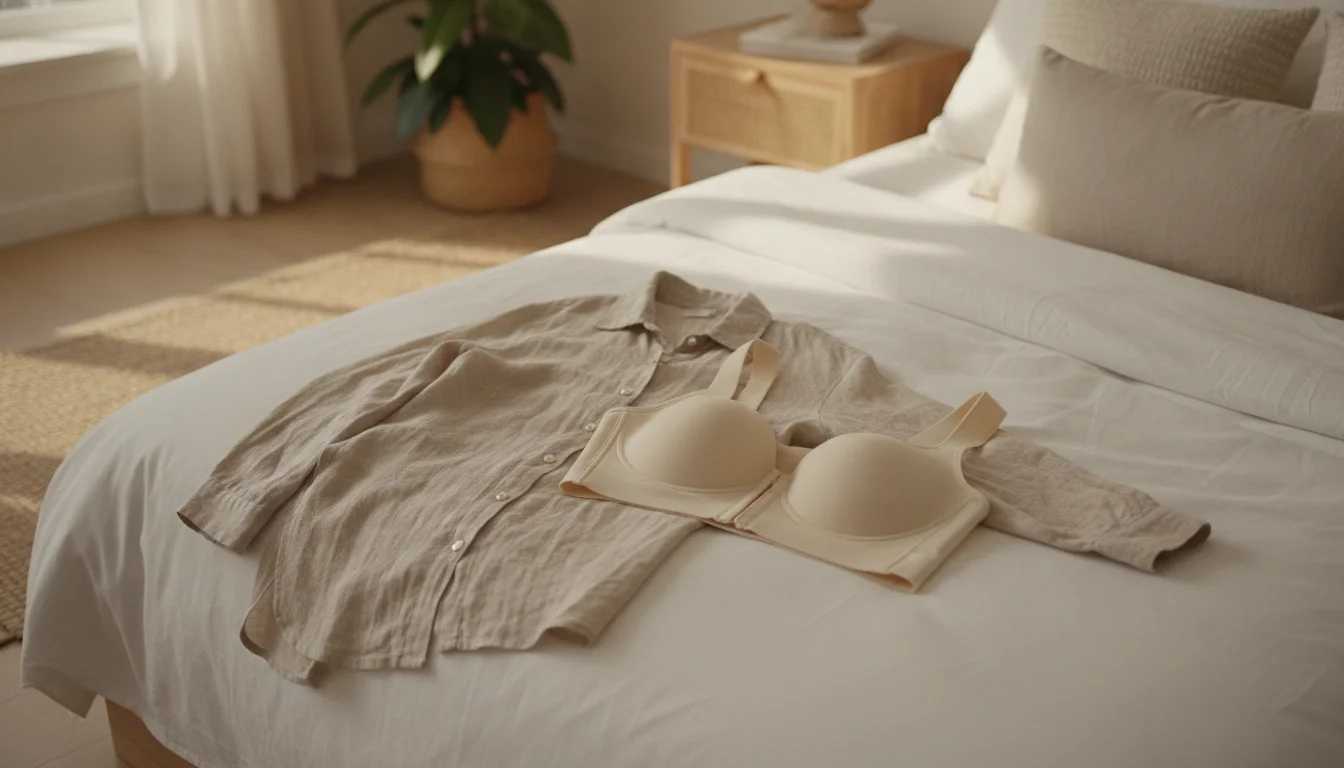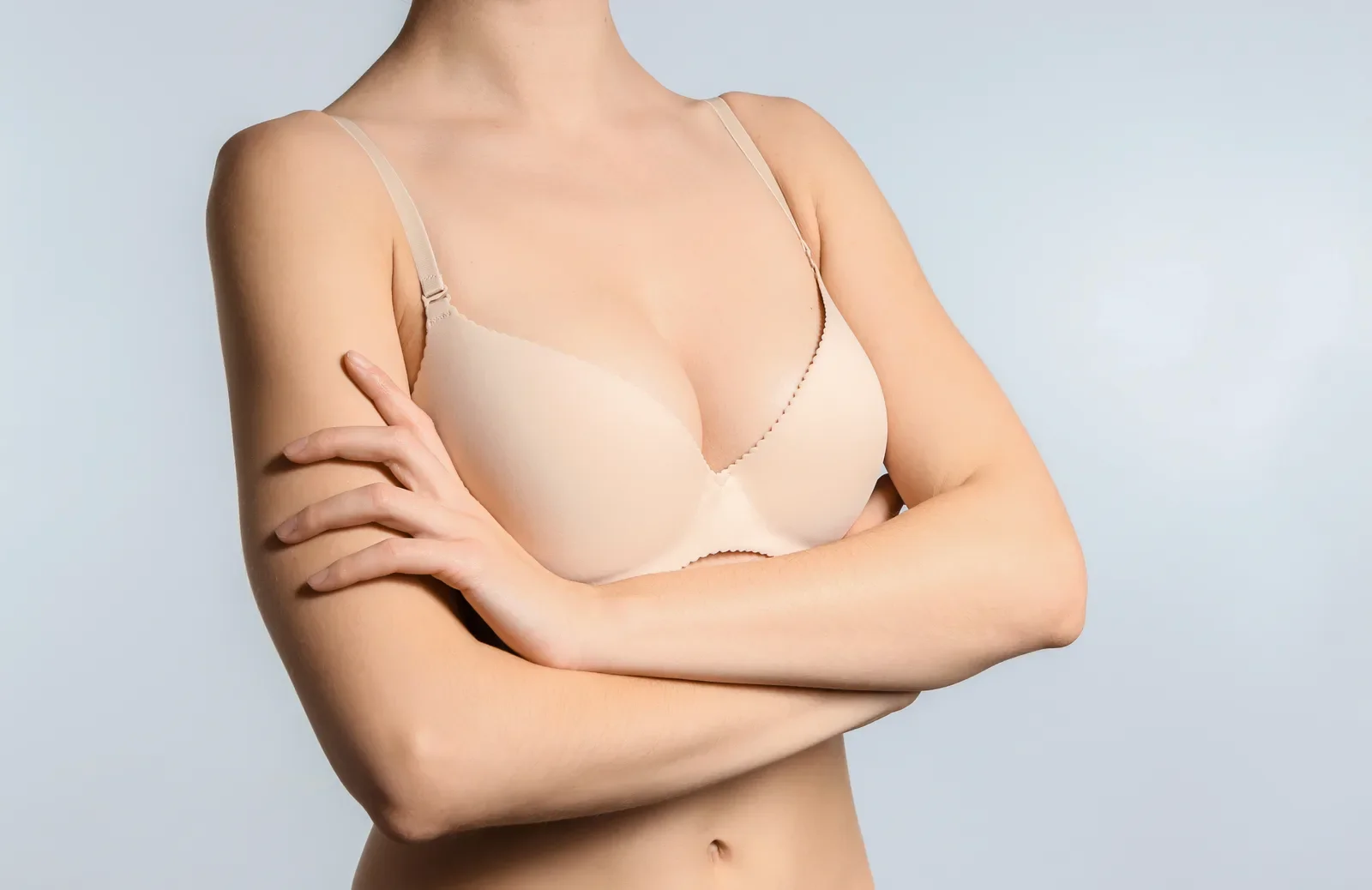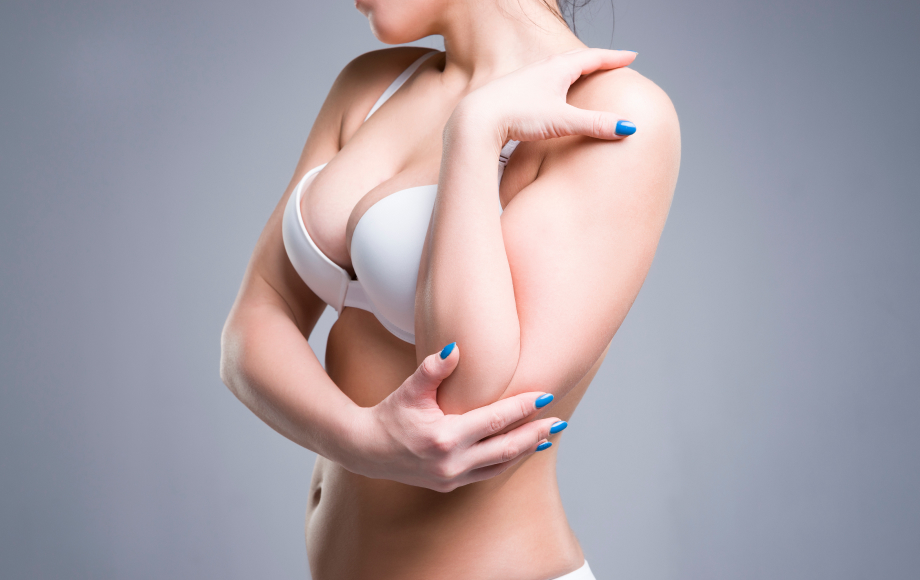
Working out after breast augmentation requires a gradual, physician-guided timeline that protects your incisions and allows your implants to settle properly. Most patients can resume light cardio around 3 weeks after surgery, while the return to upper body training depends largely on whether your implants were placed above or below the chest muscle. Understanding this timeline in advance helps you plan your recovery with confidence instead of guesswork.
Key Takeaways
-
Leisurely walking is encouraged from the first days of recovery. Slow walks of about 15 minutes every hour help circulation and support healing without straining your chest muscles.
-
Most patients resume cardio around 3 weeks post-op. This includes activities like brisk walking, stationary cycling, and gentle lower body work that do not engage the chest.
-
With implants above the muscle, upper body training typically returns from about week 3. Patients can generally lift up to 10 pounds and gradually reintroduce swimming, running, and upper body strength work.
-
With implants below the muscle, chest and upper body workouts generally wait until about week 8. The pectoral muscle needs extra time to heal because it was directly involved in the procedure.
-
Returning to exercise too early can affect implant positioning and healing. Elevated heart rate and strain on the chest wall before tissues have healed may increase swelling, bleeding risk, or implant displacement.
If you are preparing for surgery and want a clearer picture of what recovery looks like week by week, schedule a consultation with our team. We will walk you through a fitness timeline tailored to your body and your goals.
Understanding the Importance of Recovery Time
Recovery time after breast augmentation is not a formality. It is the window during which your chest muscles, skin, and surrounding tissue heal around your new implants. Rushing this process can compromise both your safety and your final results.
During the first several weeks, your body is forming scar tissue around the implant pocket and reducing internal swelling. Elevated heart rate, muscle strain, or sudden movement during this window can disrupt that process. A patient, staged return to fitness protects the investment you have made in your results and gives your body the time it needs. For a broader look at the healing process, see our guide on what to expect during breast augmentation recovery.
Why Exercise Restrictions Matter
Exercise restrictions after breast augmentation exist to prevent complications that can affect both healing and aesthetic outcome. Strenuous movement raises blood pressure and heart rate, which can increase swelling or, in rare cases, contribute to bleeding at the incision site.
Upper body movement is particularly restricted when implants are placed beneath the pectoral muscle, since that muscle is directly involved in the procedure. Repetitive arm motion or chest engagement before healing is complete can shift implant position or stress incision lines. Following your surgeon’s restrictions closely is one of the simplest ways to protect a smooth, predictable recovery after breast augmentation.
First Weeks Activity Guidelines
The first 3 weeks after breast augmentation call for rest, gentle movement, and close attention to your body’s signals. Light activity keeps your body engaged so it can heal, while anything strenuous should wait.
-
Slow, leisurely walks: About 15 minutes every hour while you are awake, to support circulation and reduce clot risk.
-
Avoid heavy lifting: This includes children, pets, and grocery bags until your surgeon clears you.
-
No raising your arms above shoulder height: Reaching for high shelves or overhead motions should wait.
-
Sleep with your upper body elevated: This helps manage swelling in the early days. Our guide on sleeping comfortably after a breast augmentation offers additional positioning tips.
When to Resume Cardio and Light Exercise
Cardio after breast augmentation is generally reintroduced around 3 weeks post-surgery, once initial swelling and soreness have subsided. This typically includes brisk walking, gentle stretching, and stationary cycling at a low resistance.
The key at this stage is keeping your heart rate moderate and increasing intensity gradually. Lower body movements like leg presses or seated exercises do not engage the healing pectoral region, so they are often among the first strength exercises cleared. Always confirm timing with your surgeon at your follow-up visit rather than relying on a generic calendar.
Returning to Upper Body Workouts
When you can return to upper body workouts after breast augmentation depends mainly on implant placement.
-
Implants above the muscle: From about week 3, most patients can lift up to 10 pounds and gradually resume swimming, running, and upper body strength training.
-
Implants below the muscle: Cardio can resume around week 3, but chest presses, push-ups, pull-ups, shoulder presses, and other upper body and chest workouts generally wait until about week 8.
Whichever placement you have, start with lighter weights and fewer repetitions than your pre-surgery routine, and build back gradually. Reintroducing these movements too early can cause discomfort, swelling, or in some cases affect implant position. Our detailed breakdown of exercise after breast augmentation covers specific movements to reintroduce first.
Timeline for Full Activity
Your timeline for full, unrestricted activity follows the same split. Patients with implants above the muscle typically build back toward their full routine gradually from about week 3, while patients with implants below the muscle usually wait until around week 8 before returning to chest and upper body training.
Everyone heals differently, and incision type and your individual healing progress also play a role. Your surgeon will assess your incisions, swelling, and range of motion at follow-up appointments before clearing high-impact or heavy resistance training. If you think you are experiencing delayed recovery or complications, contact your plastic surgeon.
Tips for a Safe Fitness Return
Returning to fitness safely after breast augmentation comes down to pacing, support, and communication with your care team. A few practices make the transition smoother and help protect your results.
-
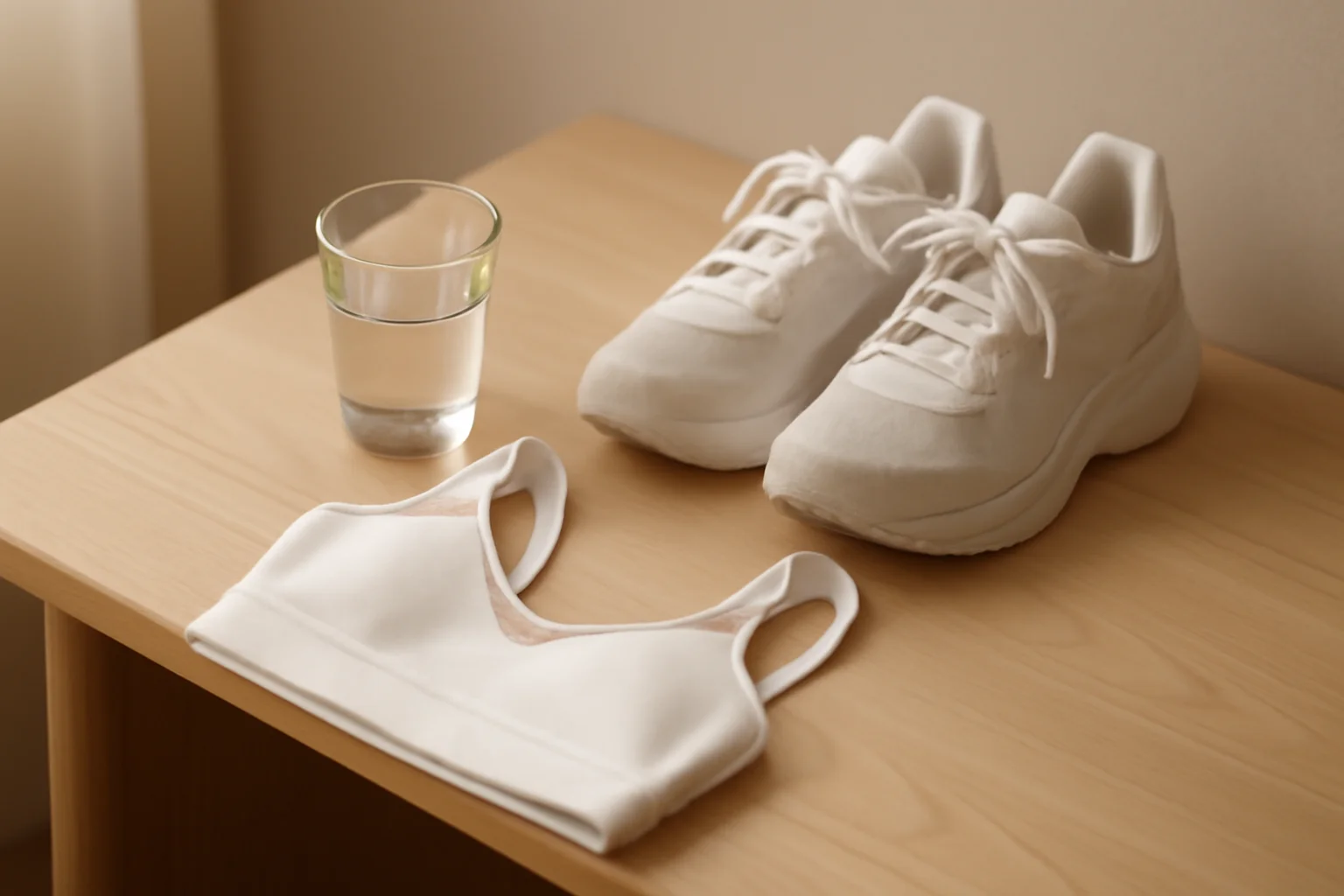
Wear a supportive sports bra once you resume exercising to keep your breasts firmly in place and support healing tissue.
-
Increase intensity gradually rather than jumping back into your previous workout intensity or duration.
-
Watch for warning signs like increased swelling, pain, or redness, and stop activity immediately if they appear.
-
Stay hydrated and prioritize sleep, both of which support tissue repair during recovery.
-
Attend every follow-up appointment so your surgeon can confirm you are ready for the next stage of activity.
Schedule Your Breast Augmentation Consultation
Ready to discuss your recovery timeline and fitness goals with an expert? Schedule a consultation at Buckhead Plastic Surgery in Atlanta and Dr. Larsen will build a personalized recovery plan around your lifestyle.
Frequently Asked Questions About Working Out After Breast Augmentation
When can I start exercising after breast augmentation?
Slow, leisurely walks are encouraged from the first days of recovery. Most patients resume cardio around 3 weeks, with upper body training returning from about week 3 for implants above the muscle and about week 8 for implants below the muscle.
How long should I avoid upper body workouts after breast augmentation?
It depends on implant placement. With implants above the muscle, upper body strength training can typically be reintroduced gradually from about week 3. With implants below the muscle, chest and upper body workouts generally wait until about week 8.
Is walking safe during breast augmentation recovery?
Yes, slow walks of about 15 minutes every hour are typically encouraged during the first few weeks. Walking supports healthy circulation and helps your body heal without straining the chest.
Can exercise affect breast implant healing?
Yes, strenuous exercise before your tissue has healed can increase swelling, disrupt incisions, or affect implant position. This is why surgeons recommend a staged return to activity rather than an immediate resumption of your normal routine.
When can I lift weights after breast augmentation?
With implants above the muscle, most patients can lift up to 10 pounds from about week 3 and build up gradually. With implants below the muscle, upper body and chest weightlifting usually waits until about week 8. Your surgeon will confirm timing based on your individual healing progress.
Will working out too soon impact breast augmentation results?
Exercising too soon can increase swelling, bleeding risk, or implant displacement, which may affect your final results. Following your surgeon’s activity timeline is one of the best ways to protect the outcome of your procedure.
How can I safely return to fitness after breast augmentation?
Ease back into activity gradually, starting with walking, then cardio, and finally upper body training once cleared. Wearing a supportive sports bra, monitoring for warning signs, and attending follow-up appointments all support a safe return.
Ready to plan your recovery and get back to the activities you love? Contact Buckhead Plastic Surgery in Atlanta, Georgia, to schedule your consultation with double board-certified surgeon Dr. Alan N. Larsen and receive a personalized fitness timeline built around your results.